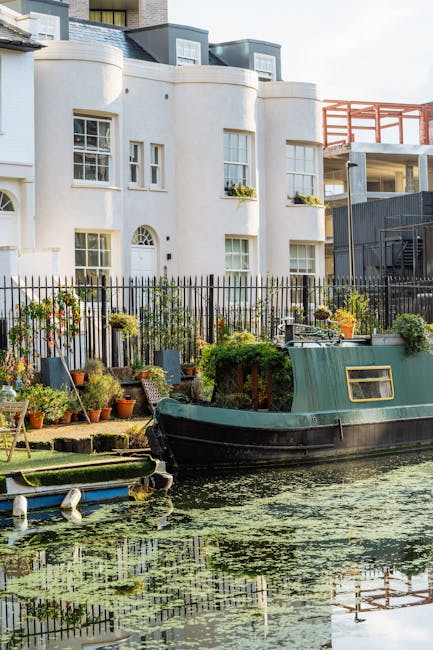
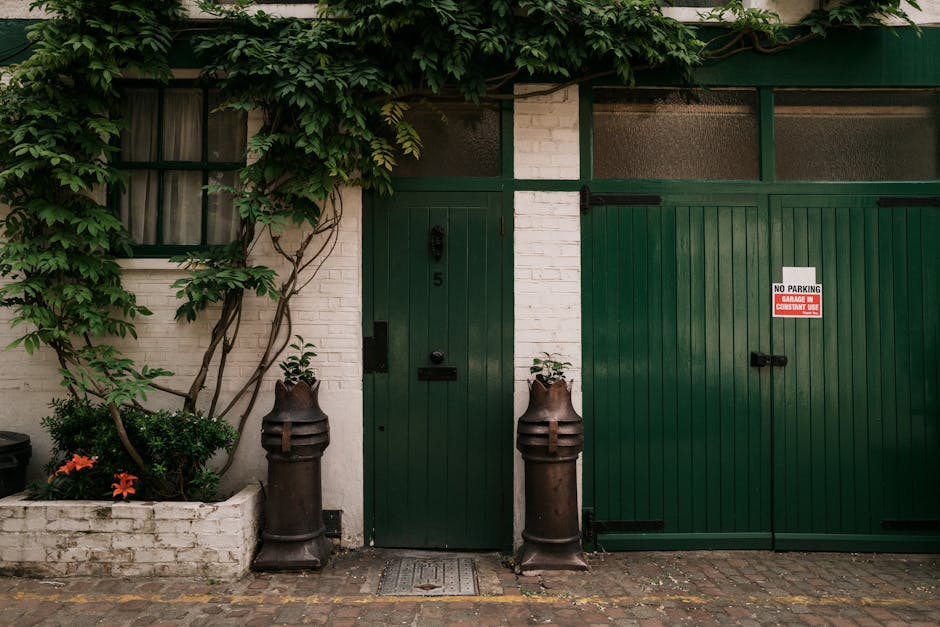
Shadwell Basin garden maintenance and planter care: a practical local guide
If you are looking after outdoor space near the water, Shadwell Basin garden maintenance and planter care is a very different job from keeping a suburban border tidy. Wind funnels through, salt and grime can build up faster than you expect, and planters often have to work harder than planted beds ever do. One week everything looks crisp; the next, a few tired stems, dry compost, and a bit of algae can make the whole area feel neglected.
This guide walks through what good maintenance actually looks like in a Shadwell Basin setting, why planter care matters, and how to keep things looking healthy without overcomplicating it. Whether you manage a small courtyard, residential planters, a shared entrance, or a larger waterside frontage, the aim is the same: keep planting resilient, attractive, and easy to maintain. And yes, that is absolutely possible.
Along the way, you will find a clear process, a practical checklist, common mistakes to avoid, and a realistic view of what works best in exposed London locations. If you are comparing professional support, you may also find it useful to review the services overview and the pricing and quotes information before you decide how much help you want.
Expert summary: In waterside locations, planter care is not just about planting up a few flowers. It is about choosing the right materials, managing water properly, checking for wind damage, and keeping a steady maintenance rhythm so the display survives real-life conditions, not just the first week after it is installed.
Table of Contents
- Why Shadwell Basin garden maintenance and planter care Matters
- How Shadwell Basin garden maintenance and planter care Works
- Key Benefits and Practical Advantages
- Who This Is For and When It Makes Sense
- Step-by-Step Guidance
- Expert Tips for Better Results
- Common Mistakes to Avoid
- Tools, Resources and Recommendations
- Law, Compliance, Standards, or Best Practice
- Options, Methods, or Comparison Table
- Case Study or Real-World Example
- Practical Checklist
- Conclusion
- Frequently Asked Questions
Why Shadwell Basin garden maintenance and planter care Matters
Shadwell Basin has a distinct environment. It is urban, exposed, and influenced by water, movement, and changing light. That matters more than people sometimes realise. A planter that looks fine in a sheltered street can struggle near a basin or dockside edge because wind dries compost quickly, leaves get battered, and nutrient levels can drop after repeated watering.
Regular maintenance keeps planting looking intentional rather than abandoned. In practical terms, that means healthier shrubs, longer-lasting seasonal colour, fewer dead patches, and less emergency work when something fails. It also helps with safety and presentation. A planter that has tipped, cracked, or overflowed is not just untidy; it can become a trip hazard or a nuisance for residents and visitors.
To be fair, a lot of planter problems are not dramatic. They start small: a little mildew on the pot, a blocked drainage hole, a leaning stem, compost that has compacted too much. Ignore those signs for long enough and the display starts to unravel. That is why good maintenance is less about big rescue jobs and more about staying ahead of the small stuff.
For buildings, managed blocks, hospitality entrances, and shared communal spaces, the planting also sends a message. Clean, well-kept greenery suggests care, order, and attention to detail. People notice it immediately, even if they never comment on it aloud.
How Shadwell Basin garden maintenance and planter care Works
At its simplest, planter care is the routine process of keeping container-grown plants healthy. In a waterside London setting, the work usually combines checking, cleaning, watering, feeding, trimming, replacing, and seasonal replanting. Nothing especially mysterious there, but the timing and judgement matter a great deal.
A good maintenance cycle usually begins with inspection. You look for dry or waterlogged compost, pests, damaged foliage, loose fixings, and signs that a planter is no longer stable. Then comes the hands-on work: removing tired growth, topping up compost, adjusting watering, and replacing plants that are no longer suited to the spot. Simple, yes. Easy to get wrong? Also yes.
Planters behave differently from beds. The roots are confined, the soil volume is smaller, and the margin for error is narrower. On a breezy day in Shadwell Basin, a planter can dry out surprisingly fast. On a wet one, drainage issues can quietly worsen. The result is that planter care has to be more responsive and more regular than many people expect.
In professional practice, maintenance is often split into weekly, fortnightly, monthly, and seasonal tasks. Some sites need more frequent checks during summer; others need less during winter but still require proper attention after storms or long wet spells. There is no one-size-fits-all schedule, which is slightly annoying, but that is the truth of it.
Key Benefits and Practical Advantages
Good maintenance pays off in visible and not-so-visible ways. The obvious one is appearance. Healthy foliage, neat edges, and fresh planting make an entrance or communal area feel cared for. But the benefits go further than that.
- Longer plant life: Regular care prevents avoidable stress, so plants keep performing for longer.
- Better value from planting: A little ongoing attention usually costs less than frequent full replacements.
- Improved drainage and root health: Planters that are checked properly are less likely to become waterlogged or stale.
- Cleaner presentation: Removing weeds, litter, and dead material keeps the whole area sharper.
- Lower risk of sudden decline: Small issues are caught before they spread.
- Seasonal flexibility: You can refresh displays for spring, summer, autumn, and winter without starting from scratch each time.
There is also a practical comfort factor. A neatly maintained planter softens hard surfaces and makes shared spaces feel calmer. In a busy location, that matters more than people think. You can almost hear the difference when a space has been looked after properly - it feels less scruffy, less rushed, just easier on the eye.
If sustainability matters to you, careful maintenance also supports it. Reusing containers, choosing appropriate plants, and reducing plant loss all help cut waste. The recycling and sustainability approach on the site is a helpful place to understand how that thinking fits into a broader service model.
Who This Is For and When It Makes Sense
Shadwell Basin garden maintenance and planter care makes sense for anyone responsible for planted containers in a location where appearance and reliability matter. That includes residential developments, landlords, property managers, retail frontages, hospitality venues, estate entrances, office courtyards, and private homes that want a polished outdoor feel without constant hassle.
It is especially useful when:
- plants are exposed to wind, reflected heat, or direct weather;
- planters dry out too quickly in summer;
- the current displays look patchy, tired, or inconsistent;
- there is no time for regular hands-on upkeep;
- you need a professional finish for visitors or residents;
- you want to switch from short-lived bedding to more resilient planting;
- the site has multiple planters and needs a consistent standard.
Some people only think about maintenance after a problem appears. A few dead plants, a cracked pot, a compost layer gone sour, and suddenly the whole frontage feels off. Others get ahead of it and treat planter care as routine property upkeep, like lighting checks or window cleaning. That approach tends to work far better.
If you are trying to decide whether to bring in support, start by looking at the scope of work and how often the area is likely to need attention. The team information on about us can also help you judge whether the service style feels right for your site.
Step-by-Step Guidance
Below is a practical process for managing planters in a Shadwell Basin setting. It is written in the order many experienced gardeners would use, because sequence matters. You do not want to feed a plant before you know whether the drainage is blocked.
1. Inspect the site properly
Start with a full visual check. Look at the plants, the compost, the container, and the surrounding area. Ask simple questions: Are the leaves firm or limp? Is the compost dry, dusty, and pulled away from the pot edge? Is there standing water? Are the containers stable on the ground?
2. Clear away dead growth and debris
Remove damaged leaves, faded flowers, litter, and weeds. This keeps the planter tidy and reduces pressure on healthy plants. It also makes it easier to see what is really going on. Truth be told, a lot of problems hide under a layer of tired foliage.
3. Check watering needs
Watering should be based on the plant type, weather, and pot size. Small containers may need more frequent watering than large troughs. A good rule is to water thoroughly rather than little and often, but only when the compost actually needs it. If the top layer is dry but the lower layer is still moist, hold back.
4. Test drainage and compost condition
If water sits on the surface for too long, drainage may be poor. If compost has become hard, compacted, or thin, plants will struggle. In older planters, a partial compost refresh can make a big difference. Sometimes the container itself needs cleaning or drainage holes need opening up again.
5. Feed and support as needed
Feeding should be appropriate to the season and the plant type. Overfeeding can be as unhelpful as underfeeding, especially in stressed containers. Add canes or discreet supports if tall plants are leaning. In a windy spot, support can be the difference between a neat display and a stubborn mess.
6. Prune, trim, and shape
Light pruning keeps the planter balanced and encourages new growth. Trim back leggy annuals, remove dead flower heads, and shape shrubs only as appropriate to the species. The aim is not to make everything look clipped to perfection. It is to keep it healthy and readable as a display.
7. Replace weak or unsuitable plants
Sometimes a plant is simply in the wrong place. Maybe it cannot cope with the exposure. Maybe the container is too shallow. Maybe it was a lovely idea in May and less lovely by August. Replacing weak plants quickly protects the overall scheme.
8. Finish with a clean presentation
Wipe pots if needed, sweep around the base, remove waste, and straighten labels or edging materials. The final tidy is not cosmetic fluff; it is part of the job. It is what makes care visible.
Expert Tips for Better Results
Small adjustments can make a big difference in planter performance, especially near the water. These are the things that tend to separate average results from genuinely good ones.
- Use larger containers where possible. Bigger planters hold moisture more evenly and buffer temperature swings better.
- Choose mixed planting with structure. Combine permanent framework plants with seasonal colour so the display never looks bare.
- Mulch the surface. A light mulch can reduce evaporation and help keep compost cooler.
- Rotate attention to the sunniest side. One side of a planter may dry faster than the other, especially against walls or railings.
- Watch the wind pattern. Exposed corners often need more secure staking and more frequent watering.
- Keep a replacement reserve. Having a few backup plants makes it easier to fix gaps without delay.
- Check after storms. A five-minute post-storm inspection can save you a lot of trouble later.
Here is one small but useful habit: stand back at the end of the visit and look at the planter from the usual human viewpoint, not from kneeling height. Does it still look balanced from a doorway or walkway? That is the real test. A plant can be technically healthy and still look awkward.
Another tip, slightly unglamorous but important, is to keep maintenance notes. Nothing fancy. Just a simple record of watering, feeding, replacements, and any recurring problems. Over a few months, patterns start to show themselves. And then the work gets smarter, which is the whole point.
Common Mistakes to Avoid
A surprising number of planter issues come from routine mistakes rather than rare disasters. If you avoid the following, you are already ahead of many sites.
- Overwatering: Wet compost can suffocate roots and create a sour smell.
- Underwatering in hot weather: A container can dry out alarmingly fast, especially in wind.
- Using the wrong plants for the location: Tender, thirsty varieties may look good briefly and then collapse.
- Ignoring drainage: Without proper drainage, even well-watered plants can fail.
- Letting weeds seed in the container: Tiny weeds become a bigger job later on.
- Overcrowding displays: Too many plants can lead to competition, poor airflow, and a cluttered look.
- Leaving dead material in place: It attracts pests and makes healthy plants work harder.
One common error is treating all planters the same. They rarely are. A sheltered entrance planter and a waterside exposed trough have different needs, even if they look similar from five metres away. That is why a blanket schedule can be a bit lazy, frankly.
Another easy trap is forgetting that containers age. Plastic cracks, timber weathers, metal can corrode, and liners degrade. The planting may be fine while the container quietly loses integrity. A good maintenance visit checks both, not just the greenery.
Tools, Resources and Recommendations
You do not need a giant toolkit, but the right tools save time and improve results. For planter care in Shadwell Basin, the essentials usually include:
- hand trowel and transplanting tools;
- secateurs or snips for deadheading and light pruning;
- watering can, hose access, or controlled irrigation where available;
- gloves for protection and grip;
- small fork for loosening compacted compost;
- bucket or trug for debris removal;
- clean cloths for wiping pots and surfaces;
- spare compost and replacement plants;
- supports, ties, or canes for taller planting.
It is also useful to have a seasonal planning approach rather than reacting whenever something looks tired. Spring and autumn are often the key moments for refreshes, with summer focused on watering and deadheading, and winter on protection, structure, and general resilience. That said, the weather in London likes to keep us humble. You may still need to adjust on the fly.
If you are comparing a professional maintenance package to doing it in-house, think about reliability as well as labour. Someone still has to check the planters after windy spells, staff holidays, or a sudden dry week. The health and safety policy and insurance and safety information can also be useful if you are reviewing how a provider works on site.
Law, Compliance, Standards, or Best Practice
For most planter care projects, the main issue is not complex law so much as safe and sensible working practice. If maintenance is being carried out on shared property, near entrances, or around public access routes, it should be planned so it does not create avoidable slips, trips, manual handling risks, or obstructions. That is just good practice, and it matters.
In the UK, property managers and contractors generally work to broadly accepted expectations around site safety, waste handling, and responsible working methods. The precise obligations will depend on the setting, who owns the space, and what tasks are being carried out. If you are commissioning work, ask how access is managed, how waste is removed, and what happens if a damaged planter or unstable surface is found.
For peace of mind, it helps if the provider can explain their approach clearly and in plain English. Utility pages like terms and conditions, payment and security, and complaints procedure are not glamorous, but they tell you a lot about how organised a business is. A company that handles the unexciting bits well usually handles the garden bits well too.
Also, if waste plant material, old compost, or broken containers are being removed, disposal should be responsible and in line with site expectations. The recycling and sustainability page is worth a look if environmentally conscious maintenance is part of your decision-making.
Options, Methods, or Comparison Table
There is more than one way to manage planter displays at Shadwell Basin. The right choice depends on budget, upkeep frequency, and the visual standard you want to maintain.
| Approach | Best for | Strengths | Limitations |
|---|---|---|---|
| Light-touch self-maintenance | Small private planters and low-demand sites | Low cost, flexible, hands-on control | Easy to miss watering, feeding, or seasonal refreshes |
| Scheduled professional maintenance | Communal spaces, managed properties, exposed locations | Consistent standard, proactive problem solving, less stress for owners | Ongoing service commitment |
| Seasonal replanting only | Sites that want a fresh look at key times | Good visual impact, simple planning | Displays can decline between refreshes without interim care |
| Full planting and maintenance package | Busy commercial or residential entrances | Most reliable and polished presentation | Highest level of ongoing involvement |
For most Shadwell Basin properties, the middle ground works best. A solid scheduled maintenance plan keeps the planting alive and presentable without turning the job into a daily chore. If you want to compare service scope before making a decision, the services overview is a sensible starting point.
Case Study or Real-World Example
Imagine a waterside residential entrance with four large planters and a narrow paved approach. In early spring, the displays are full and lively: evergreen structure, some fresh bulbs, and a few seasonal accents. By midsummer, though, two of the planters are drying faster than expected because they sit in a breezy gap. One is shaded in the morning and scorched by afternoon sun. Another has compacted compost, so water is running off instead of soaking in.
What happens next is fairly typical. The maintenance visit begins with inspection and a bit of triage. One planter gets a partial compost refresh. Another receives a slow, thorough watering rather than a quick splash. The weakest bedding is removed and replaced with tougher, more resilient plants. A low support is added to keep a taller stem from flopping in the wind. The edges are cleaned, the paving is swept, and suddenly the whole space feels calmer again.
Nothing dramatic. No miracle. Just good judgement and steady work.
That is the useful thing about planter care in a place like Shadwell Basin. The best results often come from noticing small patterns early and responding before the display looks bad. It is a bit like catching a loose button before the whole shirt starts making trouble. Small thing, big difference.
Practical Checklist
Use this checklist for regular garden maintenance and planter care in exposed waterside settings. It is simple, but it covers the essentials well.
- Check whether the planter is stable and level.
- Inspect leaves, stems, and flowers for stress or damage.
- Test the compost moisture before watering.
- Confirm that drainage holes are not blocked.
- Remove weeds, dead leaves, and spent blooms.
- Prune or deadhead lightly where appropriate.
- Feed only if the plants and season call for it.
- Replace failing plants before gaps become obvious.
- Clean the container and surrounding area.
- Note any recurring issues for the next visit.
Quick reminder: if the same planter keeps failing, the problem is often not the plant alone. It may be the exposure, pot size, drainage, or location. Fix the cause, not just the symptom.
Conclusion
Shadwell Basin garden maintenance and planter care works best when it is treated as an ongoing system rather than a one-off tidy-up. The location asks a lot from containers: wind, changing moisture levels, compacted spaces, and a need to look good even when the weather is doing its own thing. With the right plant choices, sensible watering, regular checks, and a clear seasonal rhythm, you can keep planters healthy and attractive without constant drama.
If you are planning a refresh, trying to rescue a tired display, or simply want a more dependable maintenance routine, the next step is usually to assess the site honestly and decide how much support you need. From there, it becomes much easier to build something that lasts.
Get a free quote today and see how much you can save.
If you would like to speak with a local team about your site, you can also use the contact us page to start the conversation. Sometimes the simplest next step is the best one.
Frequently Asked Questions
What does Shadwell Basin garden maintenance and planter care usually include?
It usually includes watering, deadheading, pruning, weeding, feeding, checking drainage, replacing tired plants, and keeping the planter and surrounding area tidy. In exposed waterside settings, inspections for wind damage and moisture stress are especially important.
How often should planters be maintained near Shadwell Basin?
That depends on exposure, plant type, and season, but many planters benefit from weekly or fortnightly checks during the growing season. In summer, hot or windy spots may need more frequent attention, while winter is often more about monitoring and protection.
Why do planters dry out so quickly in this area?
Waterside and urban locations often get more wind and reflected warmth than sheltered gardens. Smaller containers also lose moisture faster than garden beds. Once compost dries and pulls away from the sides of the pot, watering becomes less effective unless it is done properly and thoroughly.
Can all planter maintenance be done by the property owner?
Yes, in some cases. Small private planters are often manageable in-house. But larger communal or exposed sites usually benefit from professional support, because regularity and consistency matter more than occasional bursts of effort.
What are the signs that a planter needs urgent attention?
Look for wilting plants, standing water, cracked containers, compost that is hard and dusty, visible pests, leaning stems, or gaps where plants have failed. If a planter has become unstable, that moves beyond garden care and into safety territory.
What kind of plants work best for Shadwell Basin planters?
The best plants are usually resilient, container-friendly varieties that can cope with wind, limited root space, and changing moisture. The exact choice will depend on the light levels and the style you want, but tough structural plants paired with seasonal colour often work well.
How do I stop planters looking patchy between seasonal changes?
Use a mix of evergreen structure and seasonal planting, and do not wait too long to replace weak specimens. A display looks most reliable when it has some permanent shape underneath the temporary colour.
Is professional planter care worth it for a small site?
Often, yes, if the planter is in a prominent spot or the owner does not have time to keep up with watering and seasonal replacements. Even a small display can look neglected quickly if it is in a windy, high-footfall area.
How do I know if compost needs replacing rather than just feeding?
If the compost is compacted, stale, or no longer taking up water properly, feeding alone will not solve the issue. In that case, topping up or replacing the compost is usually more effective. The plant needs a better growing environment, not just extra nutrients.
What should I ask before hiring a gardener for planter maintenance?
Ask how often visits happen, what is included, how failures are handled, whether plants and compost are supplied, how waste is removed, and how safety is managed on site. It is also reasonable to review service details like insurance and safety and the health and safety policy.
Does planter care include waste removal and recycling?
It can, depending on the service agreement. A well-run maintenance plan usually includes the removal of dead plant material and old compost, with disposal handled responsibly. If sustainability matters to you, ask how materials are reused or recycled.
How do I get a quote for ongoing maintenance?
The easiest route is to outline the site, the number of planters, the level of care needed, and how often you want visits. Then you can use the pricing and quotes page or go straight to contact us to discuss the details.